

📅 May 23–30, 2027
8 Days / 7 Nights
| Total Cost | |
|---|---|
| Price per artist (single or double room) | $2,895 |
| Non-artist accompanying | $2,650 |
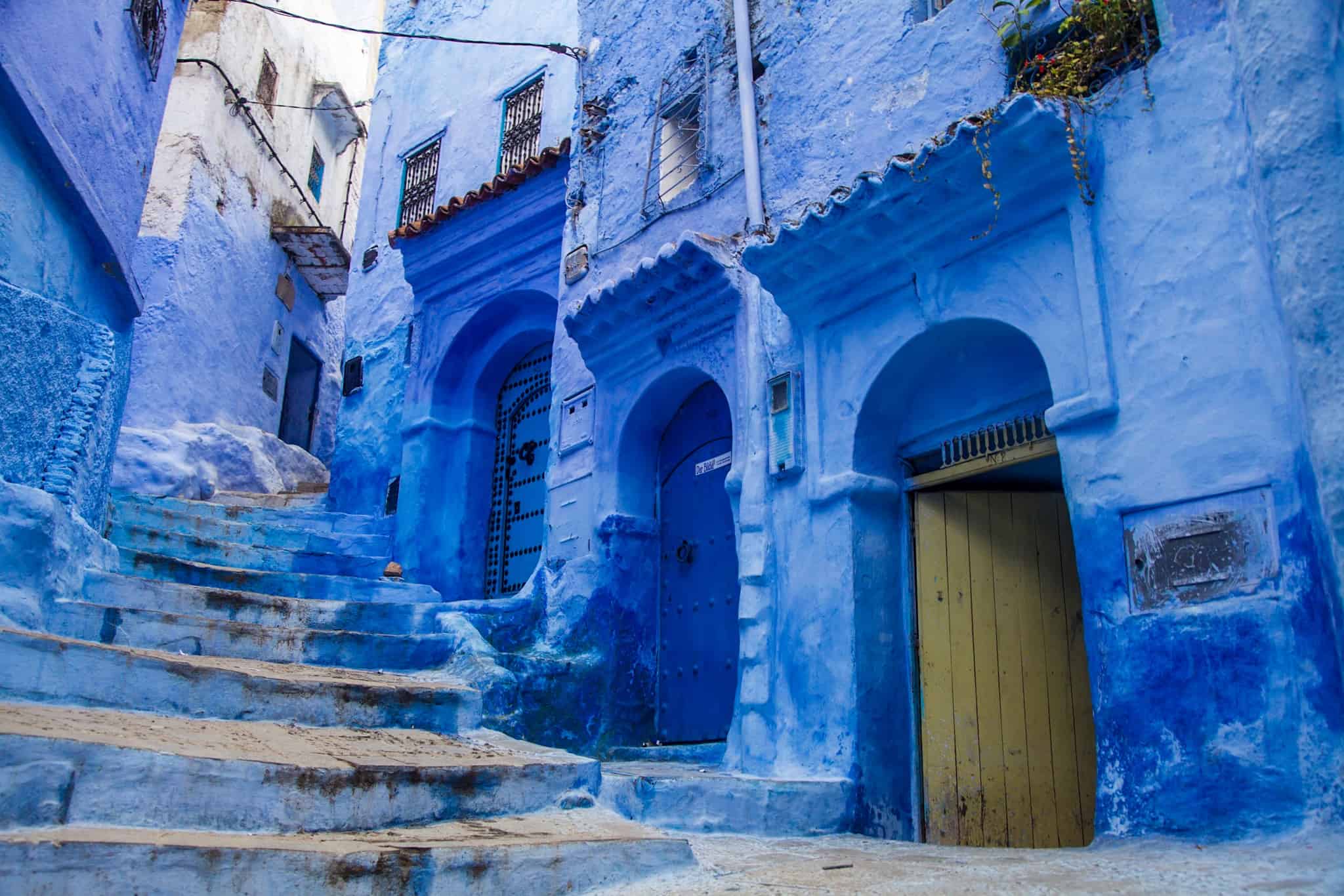
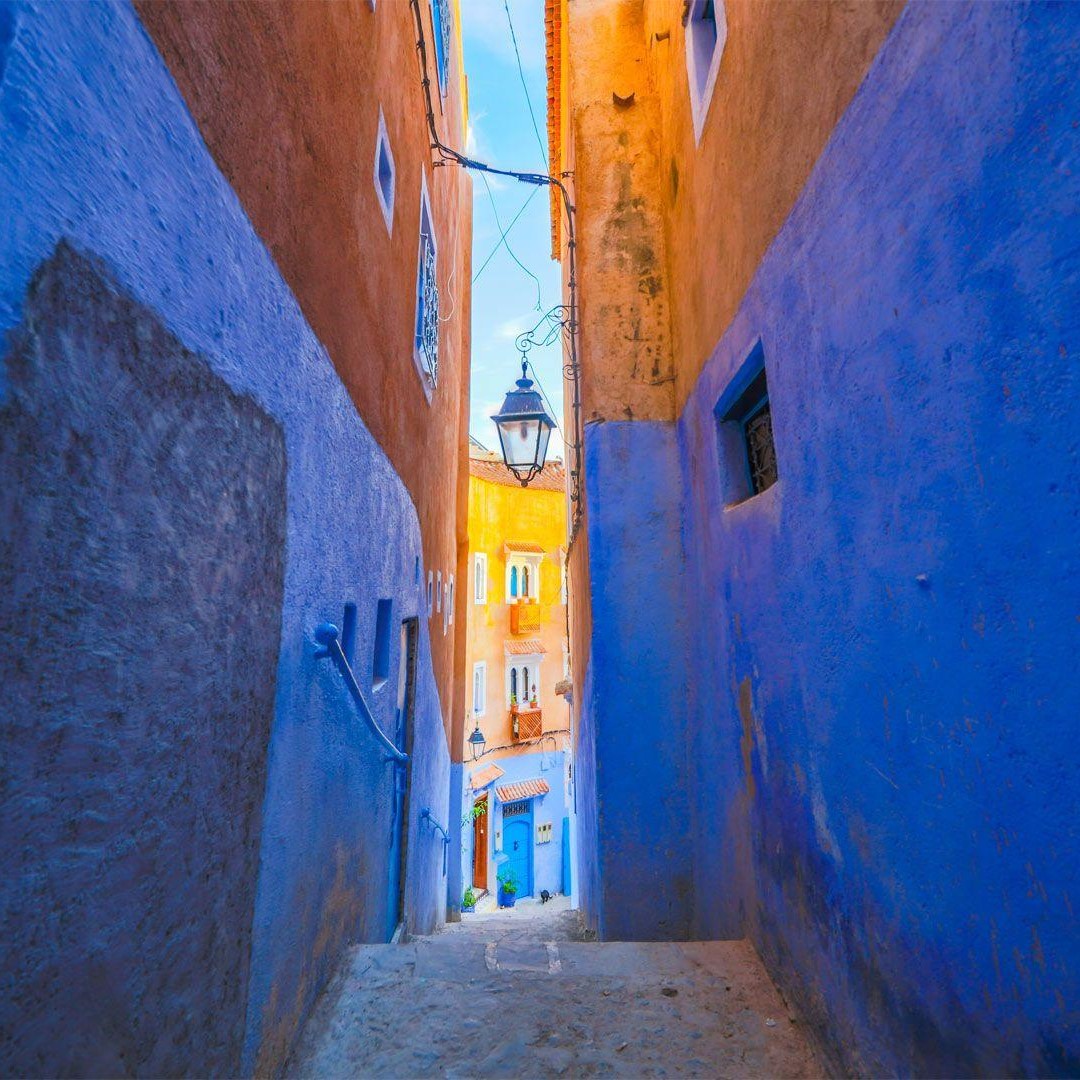
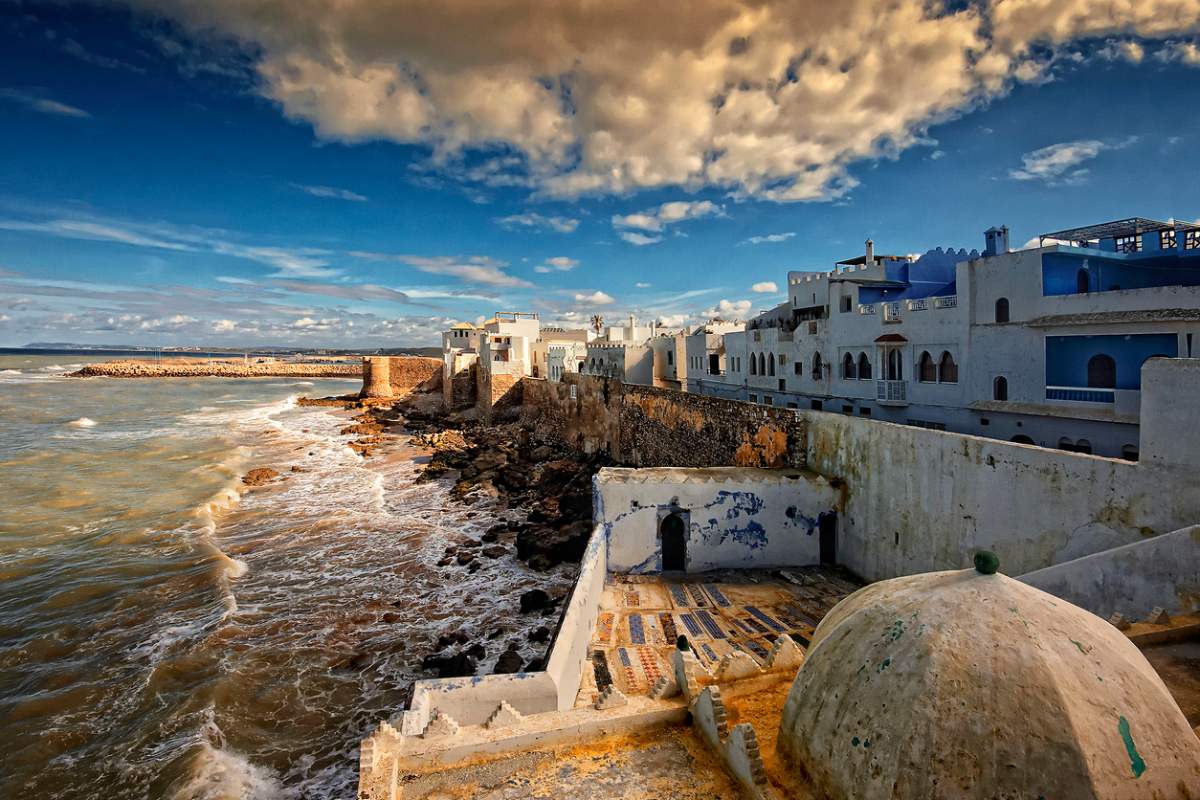
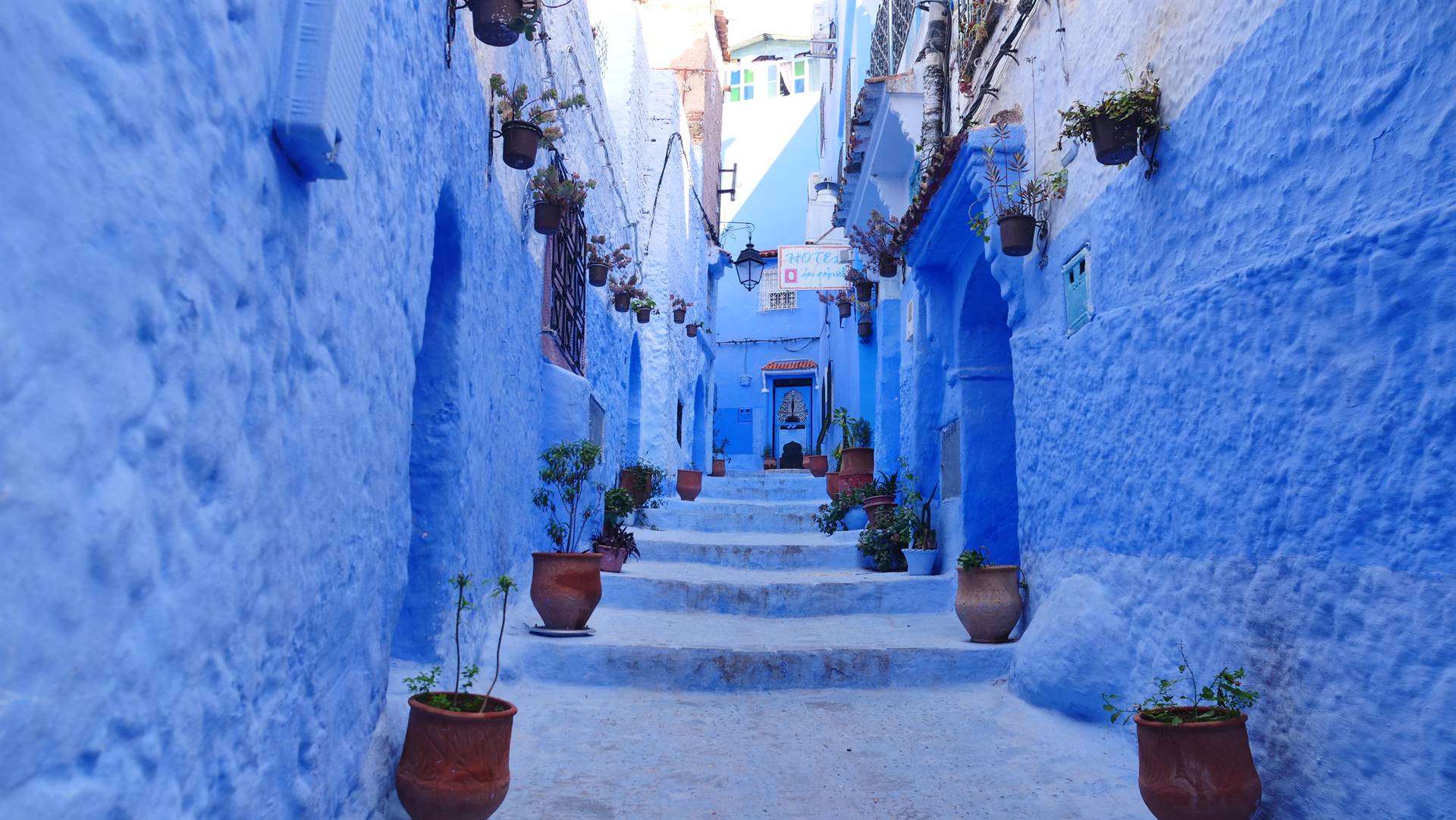
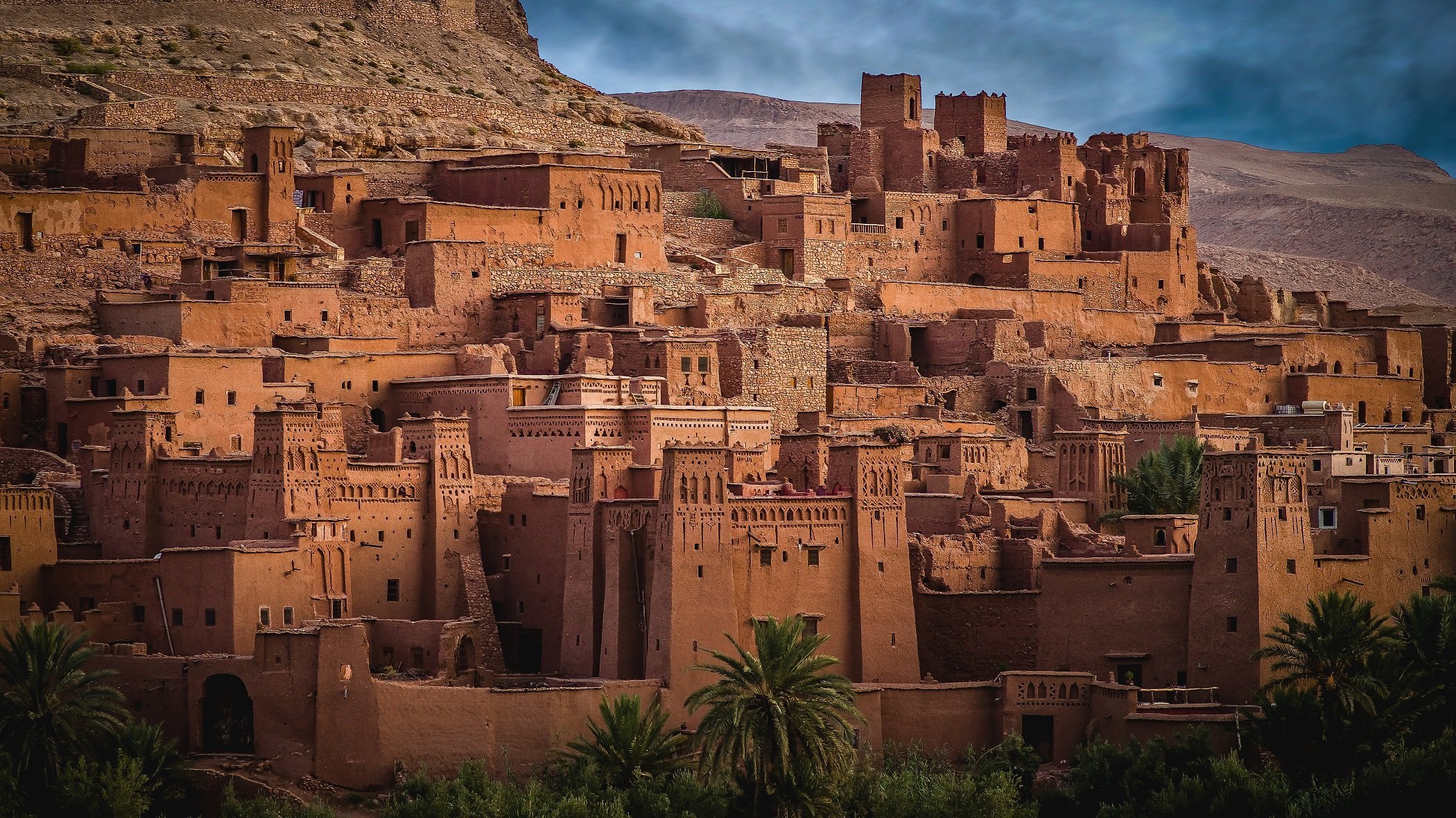
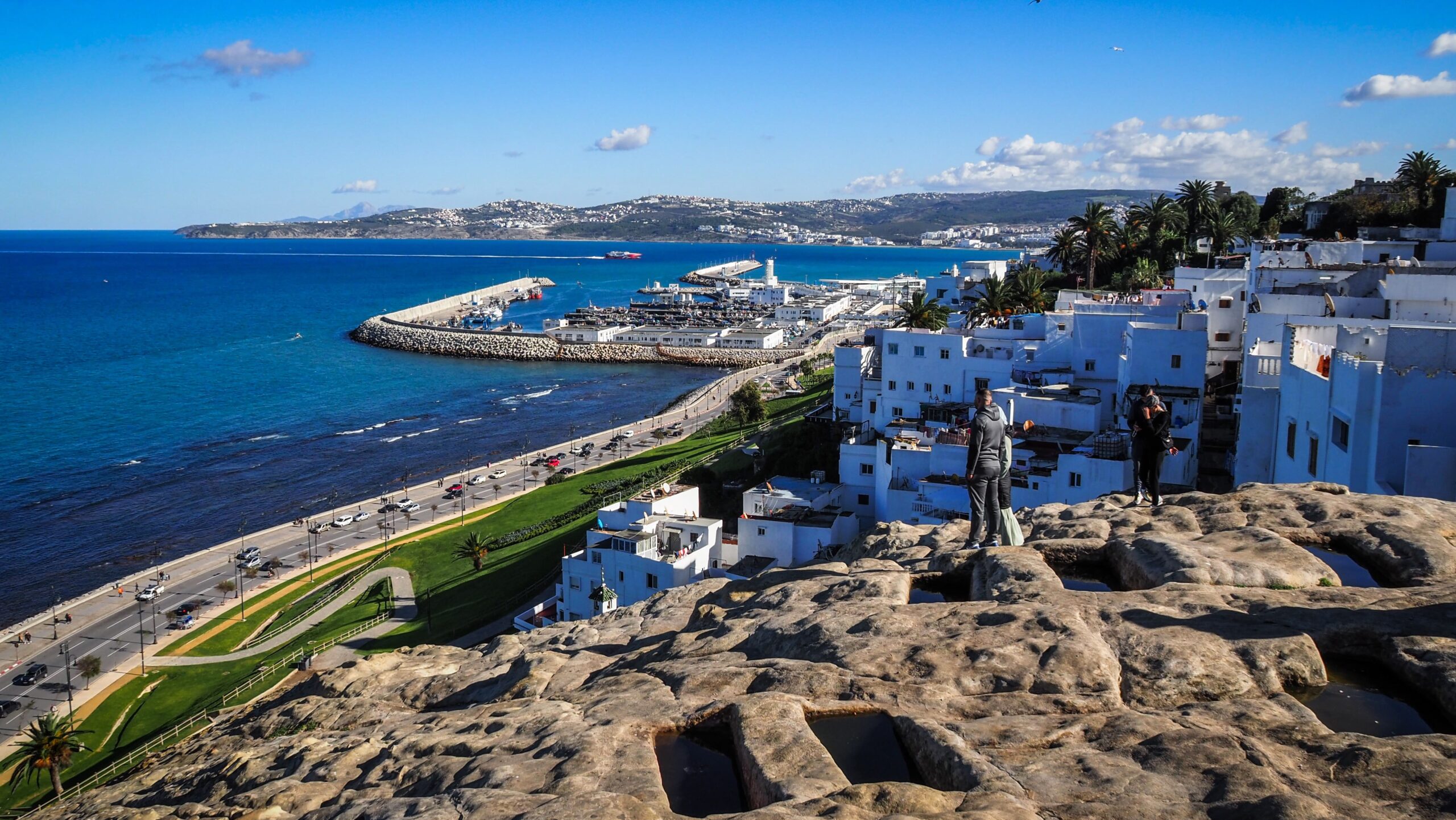
From the coastal atmosphere of Asilah and Tangier to the blue mountain serenity of Chefchaouen, join artist Bryan Jernigan and Moroccan Meraki for an 8-day artistic journey through Northern Morocco filled with culture, light, architecture, and creative inspiration.
Bryan Jernigan is teaming up with Moroccan Meraki to offer artists the opportunity to experience Morocco through painting, travel, sketching, and cultural discovery in some of the country’s most visually inspiring locations.
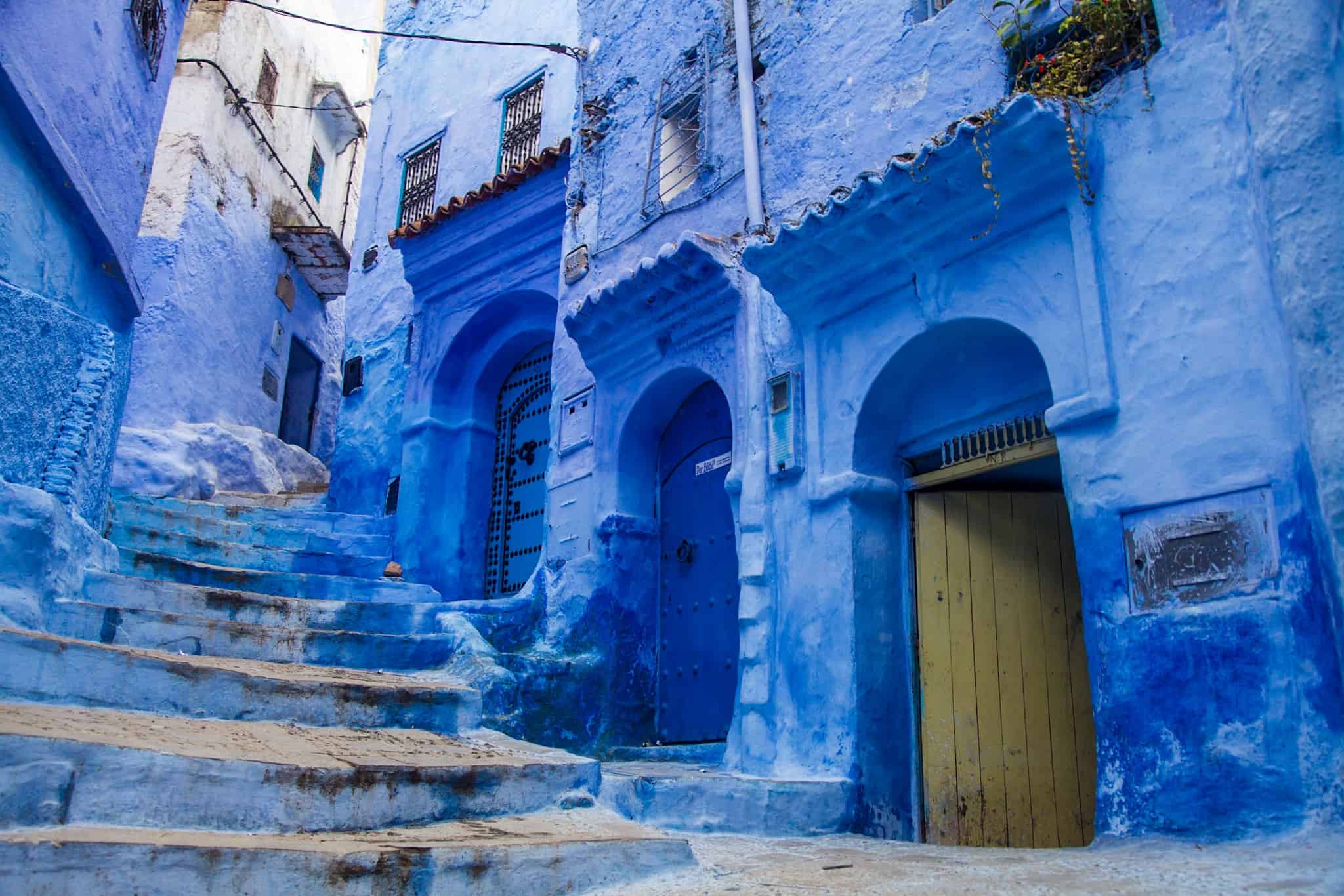
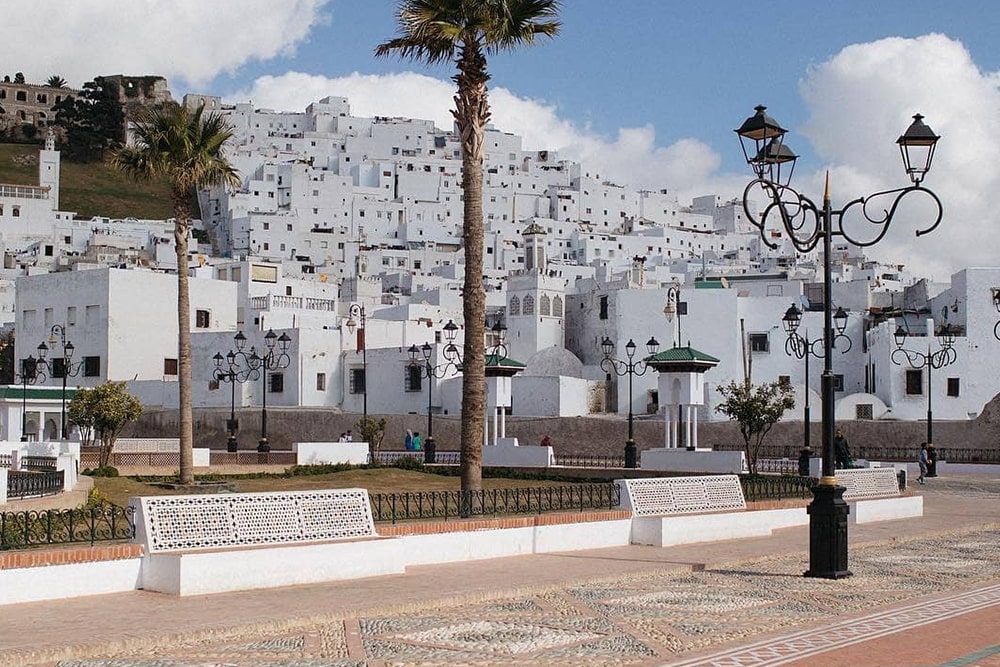
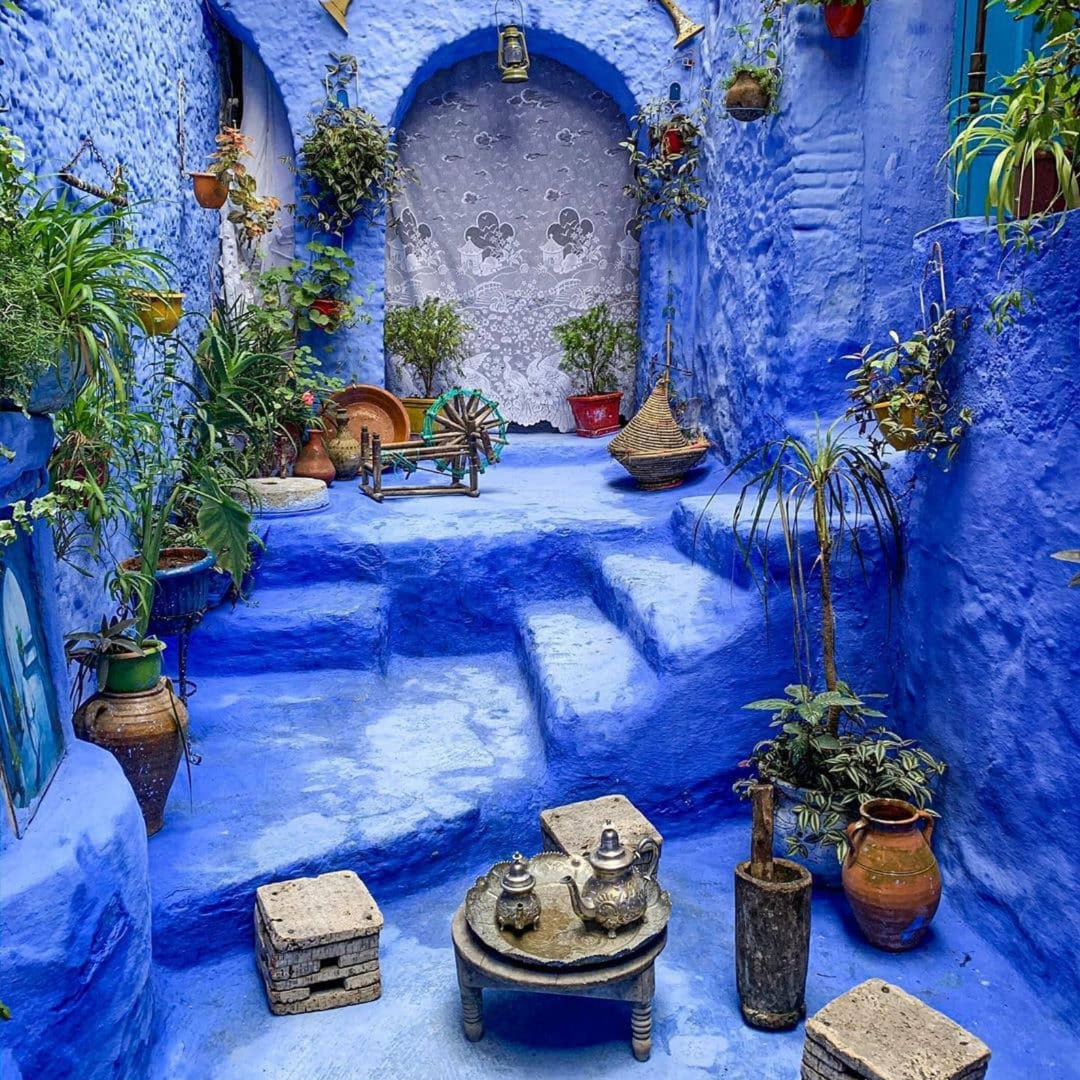
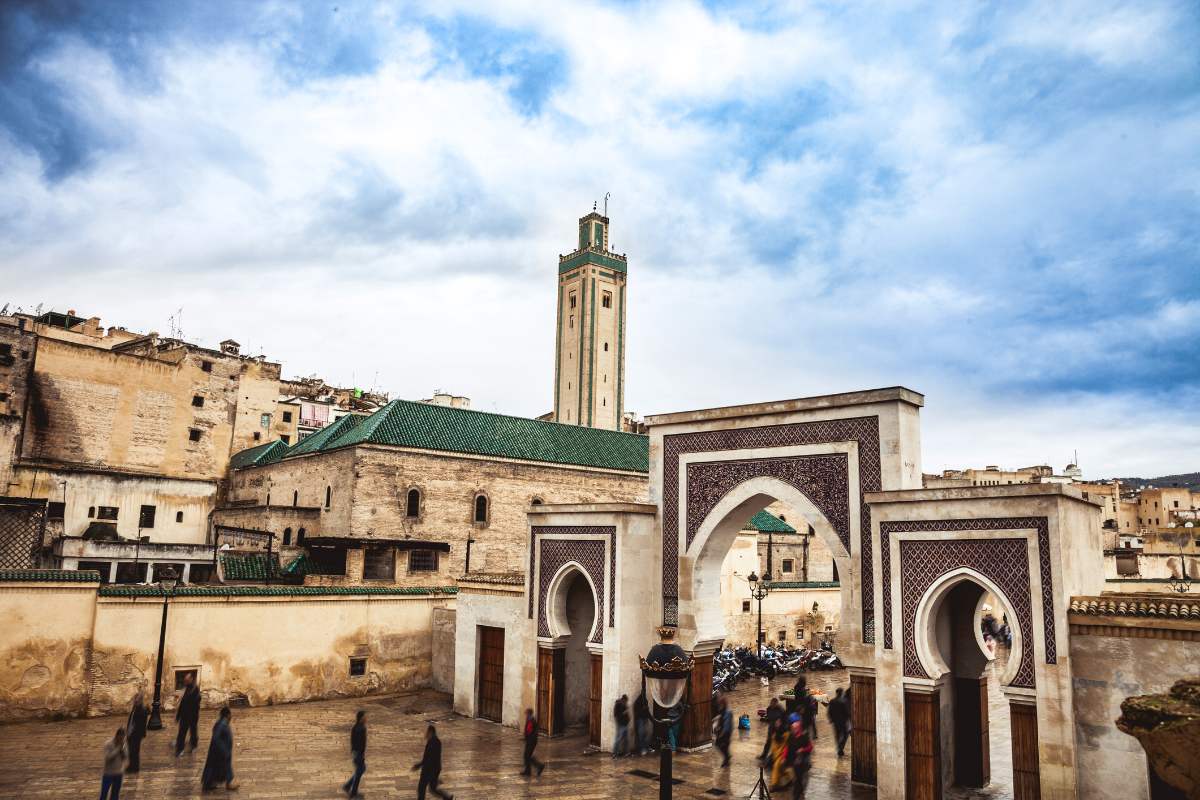
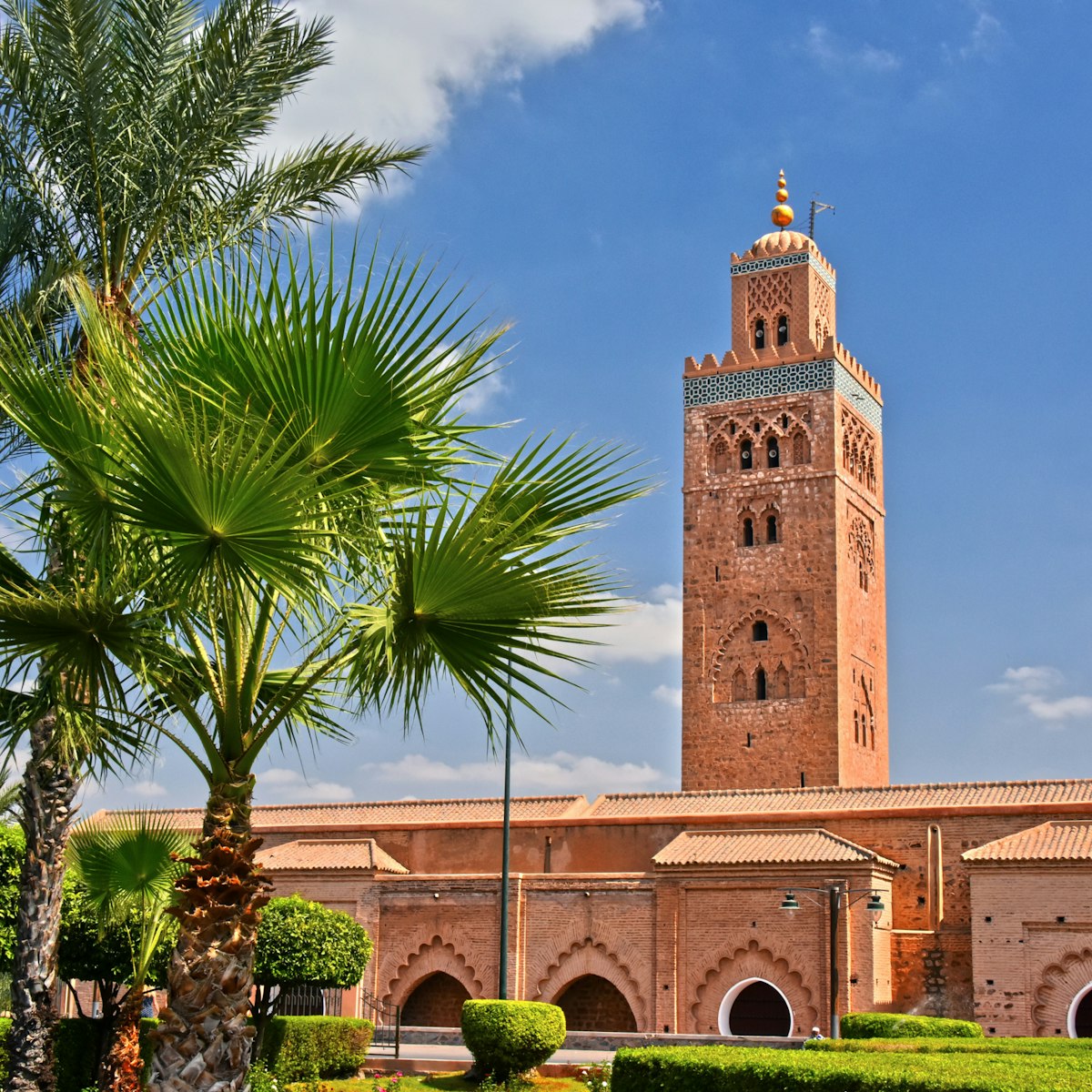
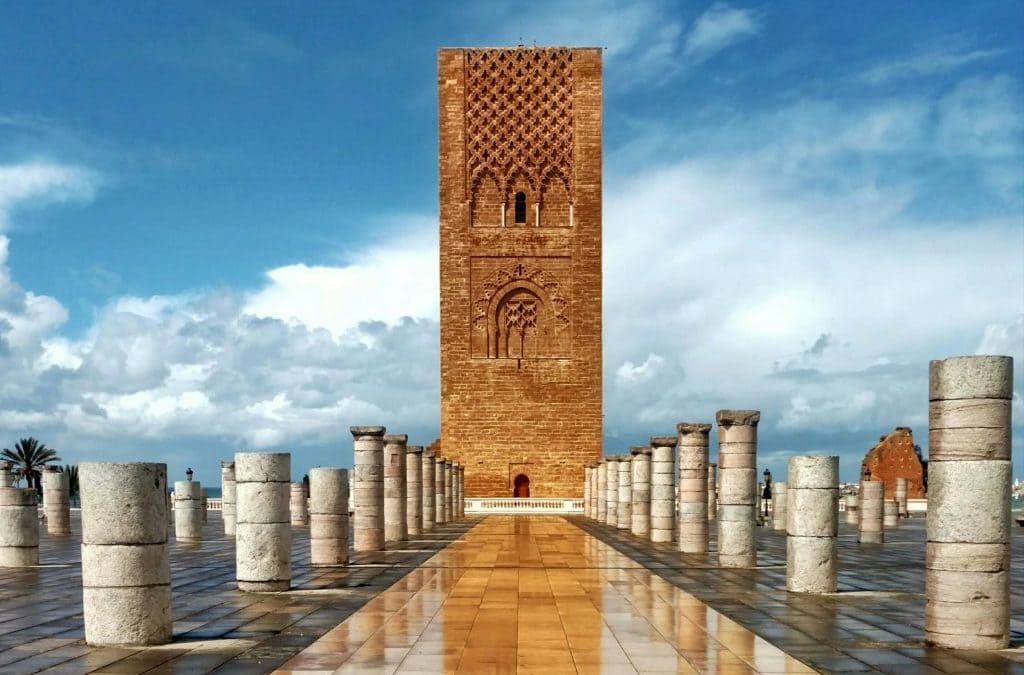
Beginning in Casablanca with a visit to the magnificent Hassan II Mosque, the journey continues through Northern Morocco exploring Rabat, Asilah, Tangier, Tetouan, and Chefchaouen (the Blue Pearl), while staying in carefully selected riads and boutique hotels rich in atmosphere and local character.
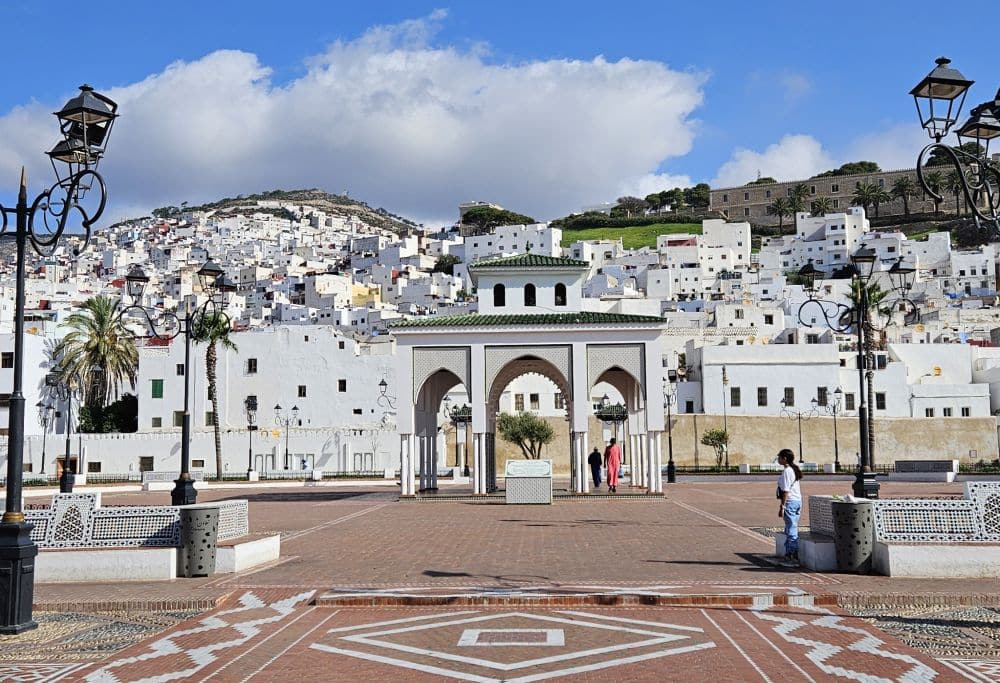
Traveling comfortably in a private air-conditioned vehicle with a local Moroccan guide, participants will experience historic medinas, Atlantic coastlines, mountain towns, vibrant markets, whitewashed alleyways, and extraordinary scenes full of texture, color, and everyday life.
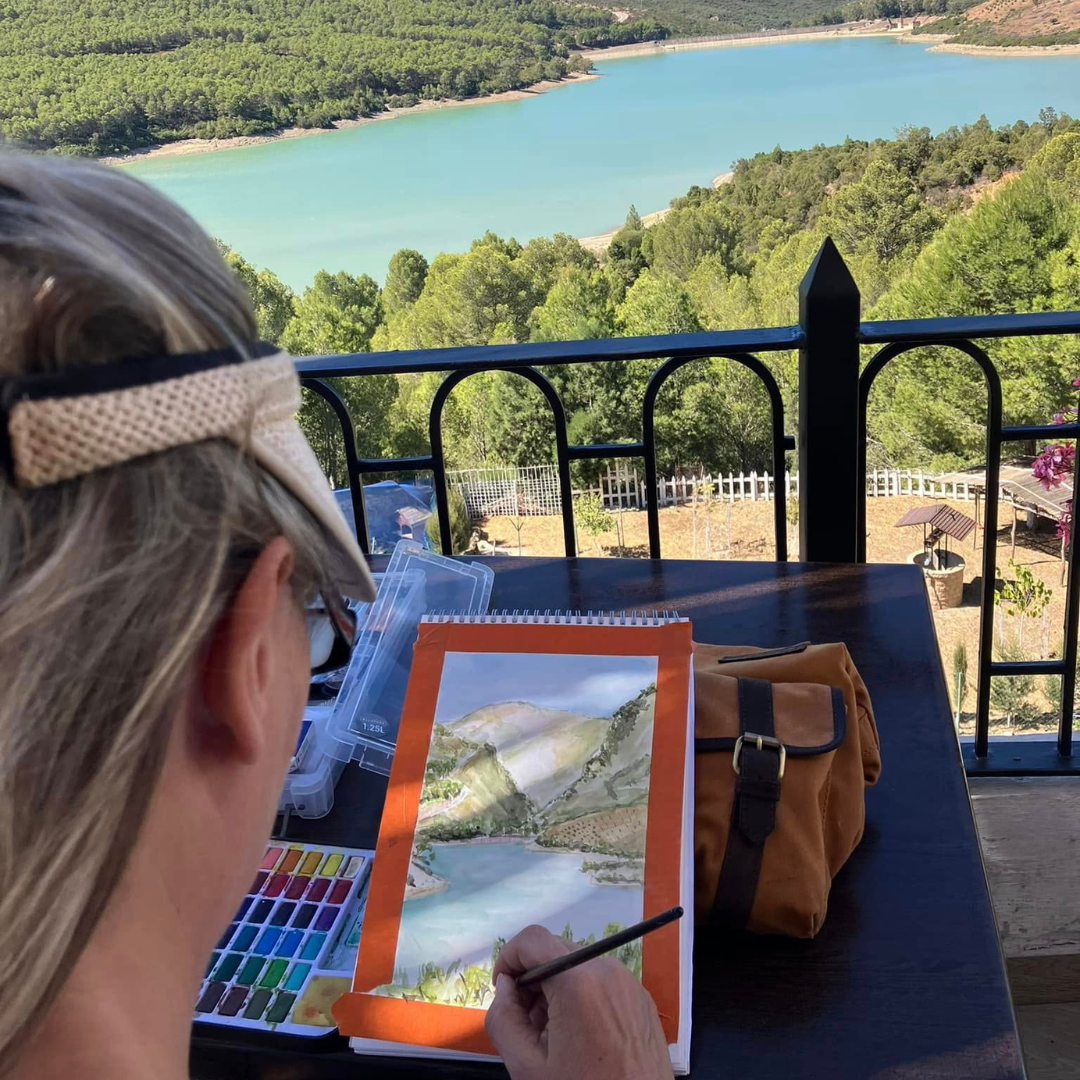
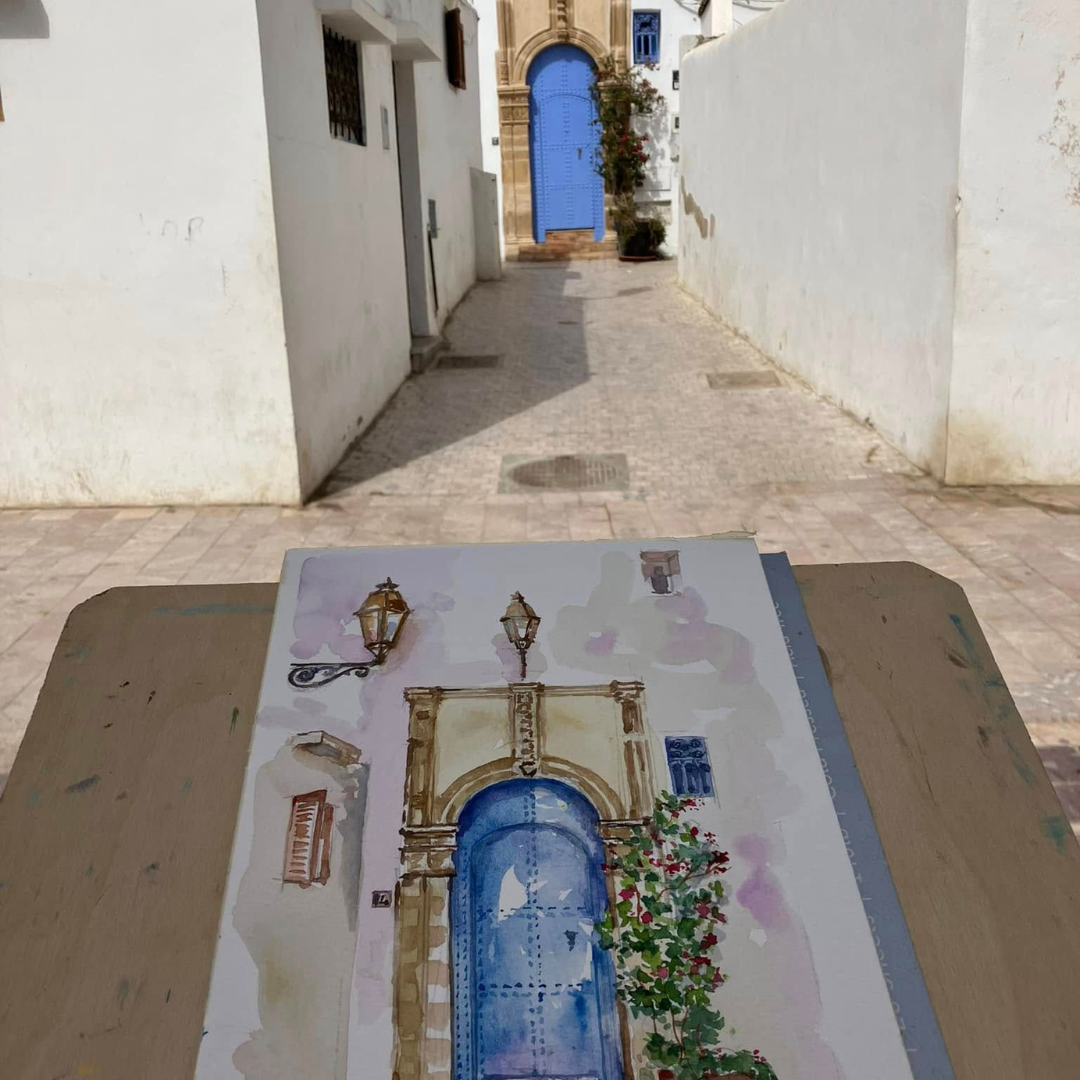
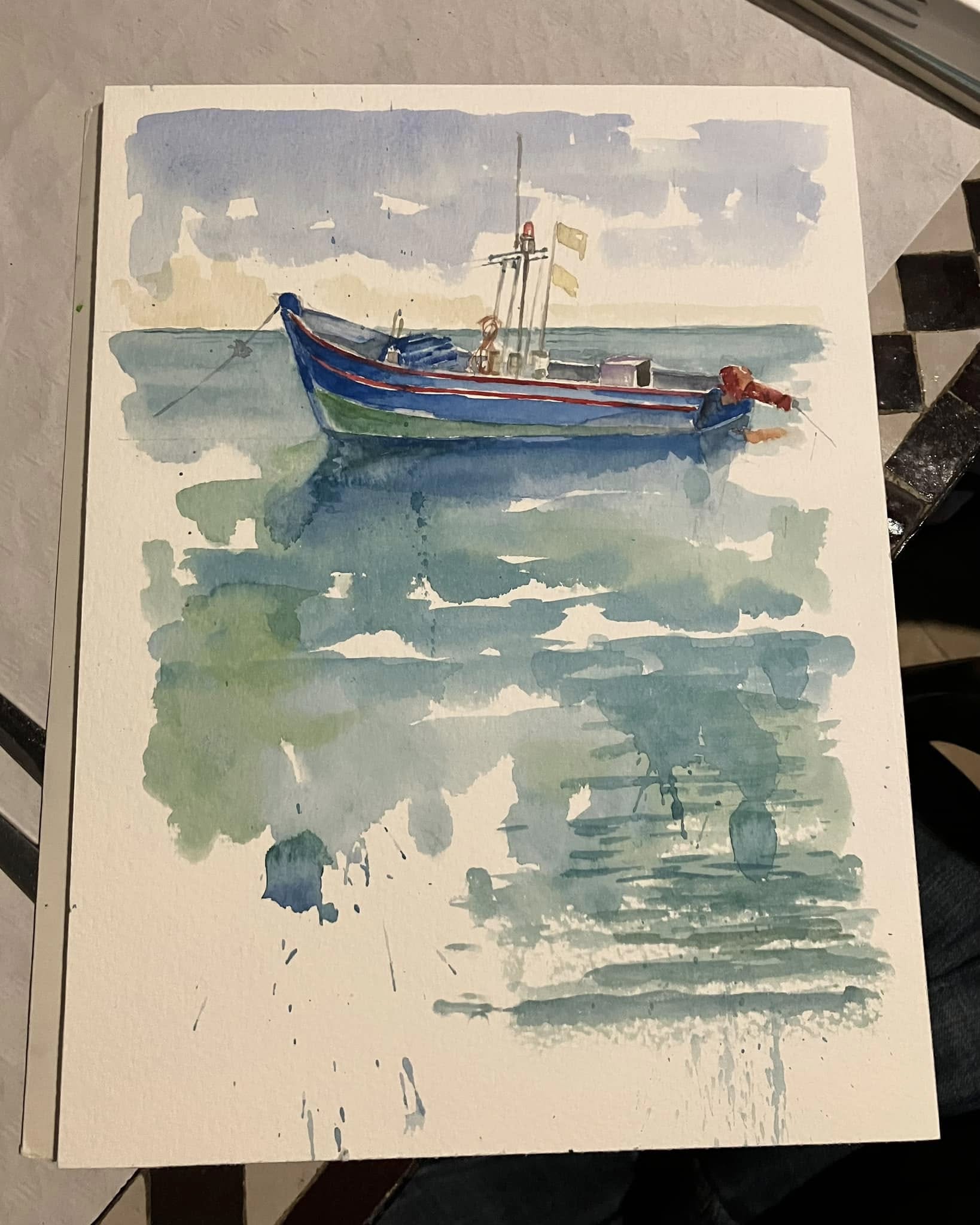
Throughout the retreat, Bryan will guide participants in developing their artistic observation and creative response to Morocco, encouraging artists to slow down, absorb the rhythm of each place, and translate the light, energy, and spirit of Northern Morocco into their own personal visual language.
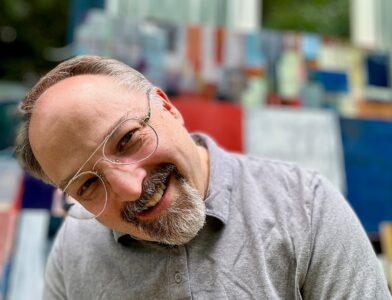
Jernigan is an internationally collected, national award-winning artist who works primarily in acrylic, pastel, mixed media and oil.
He regularly offers workshops around the U.S. (Hudson River Valley Art Workshops in Greenville, NY, Artists Rising in Glastonbury, CT and PaintSpace NOLA in New Orleans) and has taught classes for more than 15 years through various arts organizations in the Washington, D.C. metro area including the Art League of Alexandria, the Arlington Artists Alliance, the Yellow Barn at Glen Echo Park, the Vienna Arts Society, McLean Project for the Arts, Falls Church Arts, Fairfax Art League.
His work is held by public and private companies and individuals in the U.S., France, the United Kingdom, Brazil and Japan.
More recently, he has been tapped as a juror for many art shows in the area and has taken small groups on painting trips to countries including France, Scotland, Mexico, Spain, Canada and will be headed to Morocco in 2027.
Visit his website at www.bryanjernigan.com for more information.
Artist Statement:
In my pastel and acrylic paintings, I want there to be an interplay between what is visible on the surface and the layers underneath. They are created intuitively from inward and outward experiences of nature. Based on both observation and memory, my paintings connect the reality of what is seen to the realm of what is felt. Color is the root of all my paintings. Invented color schemes, interlocking organic forms, and decisive brushwork characterize my work. It comes from a place deep inside.
Background:
I was positively impacted by the Washington Color School well before I moved to Washington, D.C. in 1990, and I was privileged to meet and learn from Sam Gilliam, a second-generation Washington Color School painter early on in my artistic career.
While in school, I also developed a love for pastels and creating pastel landscapes. I was commissioned by the City of Alexandria to create 50 unique pastel landscapes for an artistic promotion program pre-pandemic and most recently, I was commissioned through the Art League of Alexandria to create five oversized paintings (each between four- and 10-feet in size) for a new construction condominium community overlooking the Potomac River.
Albeit a bit unconventional, my process has always been to work in one medium (say, pastel landscapes) and then cycle into another (say, acrylic abstraction). I find that one medium takes a certain amount of concentration and then the other allows me to be freer and expressive. This process keeps work in each medium fresh and it challenges me to concentrate in different ways – to think beyond the paint to come up with creative solutions to problems I encounter in the painting process.
I’ve participated in group and solo shows in the Washington, D.C. metro area – including the Arlington Art Center, the Art League Gallery, Gallery Underground, Gallery Underground – Clarendon, Falls Church Arts, Fort C.F. Smith and others and my work has been featured in Elan Magazine, Old Town Crier, Falls Church News Press, Arlington Connection and more.
NOTE: Artists are responsible for bringing all their own supplies, easels, chair, whatever you require. Once your reservation is made, you will be sent a list of necessary supplies to bring with you. Keep in mind being plein-air sites, walking will be required and artist will be responsible for carrying their own materials/supplies.
Travel Insurance: We strongly advise you to take out your own travel and personal insurance.
Food & Culinary Experience
Northern Morocco is not only a source of artistic inspiration . it is also one of the richest culinary regions in the country, shaped by Mediterranean, Andalusian, Berber, and coastal influences. Throughout Bryan Jernigan’s 8-day journey through Northern Morocco, guests will experience authentic Moroccan cuisine in carefully selected riads, terraces, local restaurants, and relaxed gathering spaces that reflect the spirit of each destination.
From the Atlantic coast of Asilah and Tangier to the mountain atmosphere of Chefchaouen, each stop offers its own rhythm, flavors, and culinary traditions. Guests will enjoy fresh seafood , traditional Moroccan tagines, warm msemen for breakfast, local goat cheese from the Rif Mountains, homemade breads, seasonal fruits, and the welcoming ritual of Moroccan mint tea.
Meals are designed to feel relaxed, generous, and deeply connected to place . becoming part of the overall creative and cultural experience of the retreat itself. Whether sharing grilled fish near the harbor in Asilah, enjoying rooftop dinners in Chefchaouen, or discovering the flavors of Northern Morocco’s historic medinas, guests are invited to experience Morocco through both art and taste.
Please let us know in advance about any dietary requirements or food preferences, and we will always do our best to accommodate them throughout the retreat. However, please note that we may not be able to safely accommodate severe or life-threatening allergies in all locations during the journey.
Included Culinary Experiences
What sort of lodging accommodations will be booked?
Accommodations will be either a 3-Star to 5-Star hotel or a local riad.
Is it safe to travel in Morocco?
Morocco is a safe place to visit, especially when you travel with a private guide and driver, and respect the laws and local customs. The crime rate is low. However, just as you would when traveling in any foreign country, it’s a good idea to keep money and valuables in a zipped bag close to your body; maybe using a money pouch or passport bag that can be worn inside your clothing.
What are the requirements of a Passport/Visa?
If traveling from the USA make sure the expiration date of your passport is more than 6 months from the day you will return to the USA; if NOT, you will need to renew your passport. For another country, please check your requirements. It is also a good idea to have a copy of your passport on your phone.
Visas are only necessary if you are staying 90 days or more.
What is the recommendation for vaccines/medications?
Check CDC’s webpage for your destination to see what vaccines or medicines you may need and what diseases or health risks are a concern at your destination.
Make sure to get any refills needed for your prescriptions in plenty of time before your travel dates.
Is alcohol allowed to be consumed?
Yes, Morocco allows the consumption of alcohol. It can be purchased in licensed hotels, bars, and tourist areas. You can also buy alcohol in most major supermarkets.
Are there vegetarian options on the menus?
Yes.
Is water OK to drink?
Drink bottled water to be on the safe side.
How should I dress?
Before going, check what the season is for the timeframe you are going so you know what the range of temperature will be. Also, the temperature is going to vary from daytime to nighttime.
Casual attire is appropriate; all things lightweight and full coverage is ideal—loose trousers or maxi skirts are perfect. As a matter of cultural respect women should avoid short shorts and bare midriffs. A tunic dress or shirt with leggings or a full kaftan is great too. Not only does full coverage allow you to dress conservatively in Morocco, but it will also protect you from the sun. A headscarf may be required to go into the mosques we visit. A lightweight jacket/sweater is recommended for cooler evenings and the mountains.
Make sure you take comfy footwear for daytime – preferably closed-in shoes as the streets are often uneven and dusty.
Do they have regular toilets in Morocco?
Yes, but toilet facilities do not always provide toilet paper; you might want to have some with you. Your lodging will always include regular toilets and oftentimes, also bidets. Occasionally, when traveling in the country, you will stop at places with squat toilets.
Is there a way to do laundry during the tour?
Yes, many hotels and riads offer laundry services. This cost is not included in the price of your tour. Some riads do not provide washcloths; so pack one if needed.
What is the currency?
The currency in Morocco is called the dirham. There are bank notes (20/50/100/200) and also coins (dirham and centimes). For exchange purposes – $1.00 = 10 dirham.
The dirham is a closed currency, which means it can only be bought once you arrive in Morocco. You can exchange for the dirham at the airport, ATM machines or your guide will find local exchange places. You will need enough cash for personal purchases and tips. Keep in mind that the dirham is a closed currency so must be purchased and redeemed within Morocco.
Traveler’s checks are hard to exchange – not advised to bring.
Can I use credit cards?
Credit cards are accepted in most places, but not in the markets/souks. Keep cash for shopping in those places, and for tipping. Make sure your credit cards are active a few weeks before you travel to ensure they are not expired and will work when in Morocco. Also, it’s a good idea to alert your banks and credit card companies before travel so they don’t flag you for suspicious activity.
FYI – some credit cards have an exchange cost; some do not – check that out before traveling.
What is the position on tipping?
YES, you will need money for tips. While tipping isn’t mandatory in Morocco, it is expected to show your appreciation for servers and also the help in hotels/riads and city guides. 10% is recommended at restaurants & hotels/riads – and make sure you give to the desk at hotels or the main person at a restaurant and say “for the help”. rounding up the bill and leaving tips at restaurants and cafes is standard practice. Public bathrooms have attendants who keep them clean; 3-5 Dirhams is recommended for them.
You will also need to tip the driver and guide at the end of the trip – an acceptable tip for the guide is around $10.00 per day each person and driver around $3.00-5.00 per day each person.
Can I barter for prices in the souks/markets?
Yes, negotiating is expected and welcome, however not in the malls where there are international retailers. The simple guide is that you should be aiming for around 30% – 50% of the asking price. However, having said this, – you can pay as much as you want; some people really need it. You just have to be ok with whatever price you settle on.
What is the electrical current?
Morocco operates on 220 voltage – most modern appliances will now take either 110 or 220, so you would just need an adapter for the outlet. The electrical outlets used in Morocco are type C and type E. The exceptions are hair dryers, curling irons and electric tooth brushes – do NOT use them without a converter; 220 will burn them up. Make sure they have USB plug-in ability as well if you think you’ll be needing that.
What is the protocol for taking photos of people?
If it is a specific vendor, or a person performing a task/duty – they might charge you; so you should ask and settle on a price before taking the photo.
Write Your Review